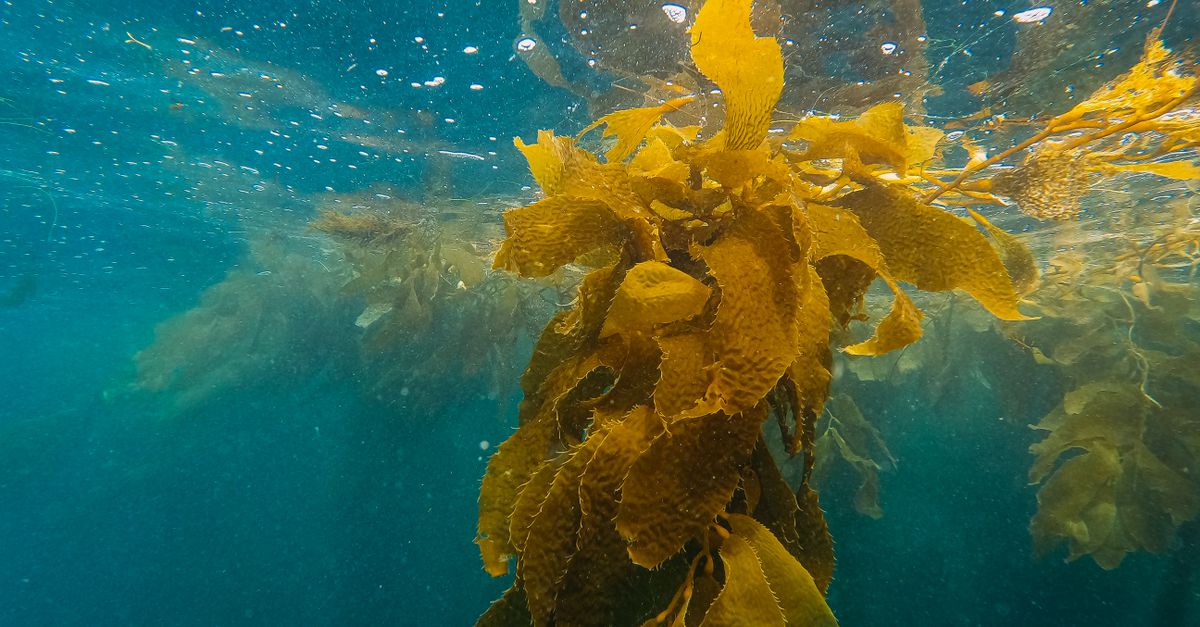
New research indicates that climate-related damage to seaweed habitats is causing carbon storage losses that exceed the gains achieved through restoration projects. The findings were reported by eurekalert.org on September 8, 2026.
According to the report, the rate at which climate change is reducing the ability of seaweed beds to capture and hold carbon is outpacing the benefits of ongoing habitat restoration work. This suggests that current efforts to rebuild seaweed ecosystems may not be sufficient to counteract the broader environmental pressures they face.
Seaweed forests are recognized as significant carbon sinks, absorbing carbon dioxide from the water and storing it in their tissues. When these habitats degrade due to warming waters, ocean acidification, or other climate-related factors, that stored carbon can be released back into the environment. Restoration programs have been established in various regions to replant and protect these areas, but the new assessment shows these measures are being overwhelmed by the scale of climate-driven losses.